

Many women experience physical symptoms that gradually become part of everyday life. Pain, discomfort, or changes in bodily function are often dismissed as normal, expected, or something to endure. Over time, these issues can affect movement, confidence, sleep and overall quality of life.
Women’s health physiotherapy is the right choice when symptoms begin to interfere with daily activities, exercise, work or personal wellbeing. It provides specialised, evidence-based care that recognises how women’s bodies change across different life stages. The focus is on clarity, reassurance and practical solutions that support long-term health, not just short-term relief.
What Is Physiotherapy and How Does It Help?
Physiotherapy is a healthcare profession focused on restoring and maintaining physical function, movement and strength. Physiotherapists assess how the body moves, identify the underlying causes of pain or dysfunction, and use targeted treatments to support recovery and prevent future problems.
Treatment may include guided exercise, movement retraining, manual therapy and education tailored to the individual. Rather than addressing symptoms alone, physiotherapy looks at contributing factors such as muscle weakness, joint stiffness, reduced control or inefficient movement patterns.
In women’s health, physiotherapy applies these principles to conditions influenced by pregnancy, childbirth, pelvic health and hormonal changes, using specialised assessment and treatment approaches.
When Physical Symptoms Should Not Be Ignored
Women often seek physiotherapy after symptoms persist or gradually worsen. Common reasons include pelvic pain, bladder leakage, discomfort during intimacy, lower back or pelvic pain during pregnancy, or uncertainty about recovery after childbirth.
While these symptoms are common, they are not something women need to accept as inevitable. Early assessment can identify contributing factors and reduce the risk of issues becoming long-standing or more complex.
Common Life Stages Where Physiotherapy Helps
When Pelvic Floor Concerns Affect Daily Life
Pelvic floor dysfunction can present in subtle or more disruptive ways. Some women notice occasional leakage when coughing, sneezing or exercising. Others experience pelvic heaviness, pain or reduced control.
Women’s health physiotherapy is recognised as a first-line approach for pelvic floor concerns. Assessment focuses on strength, coordination and endurance of the pelvic floor muscles, as well as posture, breathing and movement habits. According to the Continence Foundation of Australia, one in three women experiences urinary incontinence at some point in their lives, highlighting how common these concerns are and the value of early support.

When Pregnancy Changes How You Move
Pregnancy brings rapid physical change. Altered posture, increased joint laxity and added load through the pelvis and spine can lead to pain and reduced mobility.
Physiotherapy during pregnancy focuses on pain management, movement modification, strengthening and preparation for birth. This support helps women remain active while reducing unnecessary strain on the body.
When Postnatal Recovery Feels Unclear
After childbirth, many women feel unsure about what recovery should involve or when it is safe to return to exercise. Symptoms such as abdominal separation, pelvic floor weakness or lingering pain are common, but they do not need to become long-term problems.
Women’s health physiotherapy provides structure and reassurance during postnatal recovery, supporting core control, pelvic floor function and a gradual return to physical activity.
When Menopause Brings Unexpected Physical Changes
Hormonal changes during menopause can affect muscle strength, joint stability and tissue quality. Some women notice increased stiffness, discomfort or reduced confidence with movement.
Physiotherapy supports this stage through targeted strength training, balance work and education tailored to changing physical needs, helping maintain independence and long-term physical confidence.

Questions Many Women Ask Before Booking Their First Appointment
Deciding to book women’s health physiotherapy is often a thoughtful step. Many women seek reassurance that the care will be appropriate, respectful and effective.
Is Women’s Health Physiotherapy Right for My Condition?
Women often explore women’s health physiotherapy for concerns such as pelvic pain, bladder or bowel leakage, prolapse symptoms, pain during pregnancy, postnatal recovery, or discomfort during intimacy. It can also support women experiencing changes related to menopause or ongoing lower back and hip pain linked to pelvic function.
A thorough assessment helps determine whether physiotherapy is appropriate for your condition and whether it should be part of your treatment plan alongside other healthcare providers.
What Happens During a Women’s Health Physiotherapy Session?
Many women feel unsure or anxious about what treatment involves, especially if it is their first time.
Your initial session usually begins with a detailed conversation about your symptoms, medical history, lifestyle, and goals. Physical assessment is explained clearly before anything begins, and consent is always prioritised.
Treatment may include education, gentle exercises, manual therapy, breathing techniques, and guidance on posture or daily habits. Internal examinations are only performed when clinically appropriate and with your full consent.
Sessions are paced to your comfort level, and you remain in control throughout.
How Experienced and Qualified Is the Physiotherapist?
Trust is essential when choosing women’s health physiotherapy, especially when booking care at a local clinic in Mickleham. Patients often want reassurance that they are seeing a physiotherapist with the right training, experience, and understanding of women’s health concerns.
Women’s health physiotherapists undertake additional education beyond general physiotherapy to treat pelvic health conditions safely and effectively. This specialised knowledge ensures your care is evidence-based, respectful, and tailored to your individual needs.
Choosing a clinic such as Mickleham Physio gives peace of mind that your concerns will be taken seriously, your comfort will be prioritised, and your treatment will be delivered with professional care and discretion.
Will I Feel Comfortable, Safe, and Respected During Treatment?
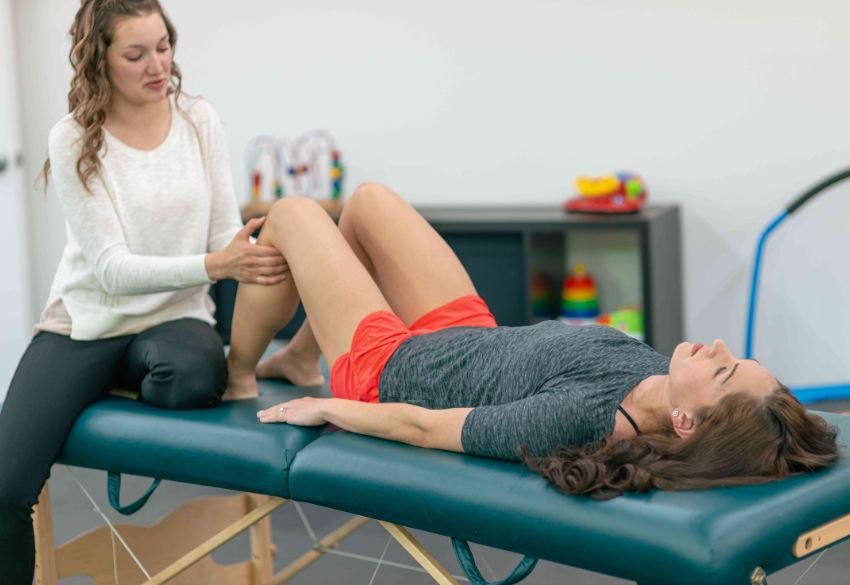
Privacy, dignity and safety are central to women’s health physiotherapy. Sessions are conducted in private rooms with clear communication and respect for personal boundaries. Treatment is adapted to comfort levels and individual needs at all times.
What Results Can I Expect and How Long Does Recovery Take?
Recovery varies depending on your condition, symptoms, and how long they have been present. Some women notice improvements within a few sessions, while others benefit from a longer-term approach.
Your physiotherapist will discuss realistic expectations, guide you through each stage of recovery, and adjust treatment as your body responds. The goal is not just short-term relief but long-term confidence and function.
Making an Informed Decision About Your Care
Women’s health physiotherapy is the right choice when physical symptoms affect comfort, confidence or quality of life. It is also the right choice for women seeking clarity, expert guidance and care that respects their experience.
Choosing the right provider is not only about addressing current concerns, but it is also about building long-term physical resilience and confidence. At Mickleham Physio, we provide women’s health physiotherapy tailored to the needs of women in our local community. Our approach is centred on understanding your concerns, goals and lifestyle so treatment can be tailored to what matters most to you. Through a combination of hands-on treatment, targeted exercise and clear education, we aim to support meaningful recovery and long-term physical wellbeing.
Contact us today to explore how we can support your health, recovery and wellbeing.