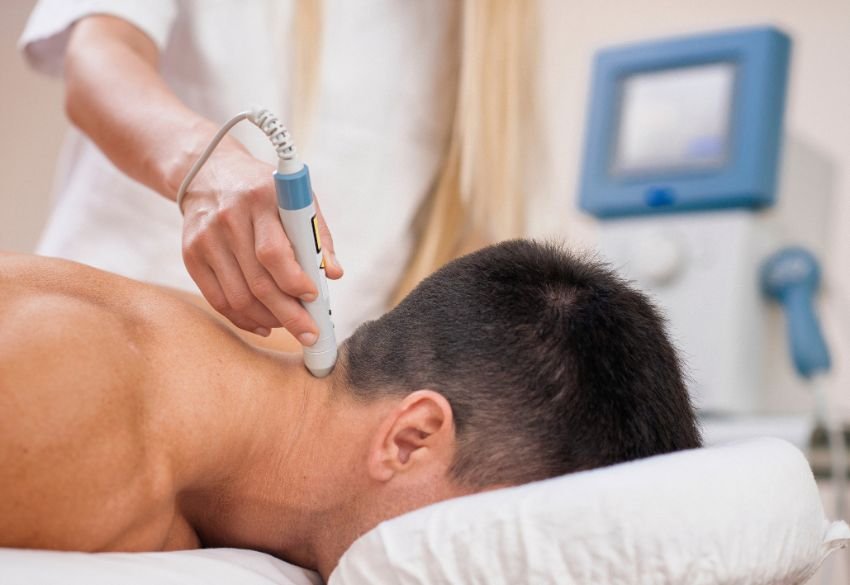
When you are recovering from an injury or surgery, every week matters. Physiotherapy has always been about helping the body heal efficiently, but new technologies now make recovery smoother and faster. One of the most effective options available in modern clinics is laser therapy. This safe and non-invasive treatment is being used by physiotherapists across Australia to reduce pain, stimulate tissue repair, and speed up return to activity.
Below, you will find everything you need to know about laser therapy, how it works, its proven benefits, and practical advice for patients who are considering it as part of their recovery plan.
What Is Laser Therapy?
Laser therapy, also known as low-level laser therapy (LLLT) or cold laser therapy, uses specific wavelengths of light to trigger natural healing processes in the body. Unlike surgical lasers, LLLT does not cut or heat tissue. Instead, the light penetrates the skin and stimulates cells at a molecular level.
The result is a biological response that helps:
- Increase energy inside cells, so repair happens faster
- Reduce swelling and inflammation, easing discomfort
- Interrupt pain signals, offering natural pain relief
- Improve circulation, which brings oxygen and nutrients to damaged tissue
This makes laser therapy suitable for a wide range of musculoskeletal conditions, from sports injuries to post-operative recovery.
How Does Laser Therapy Work?
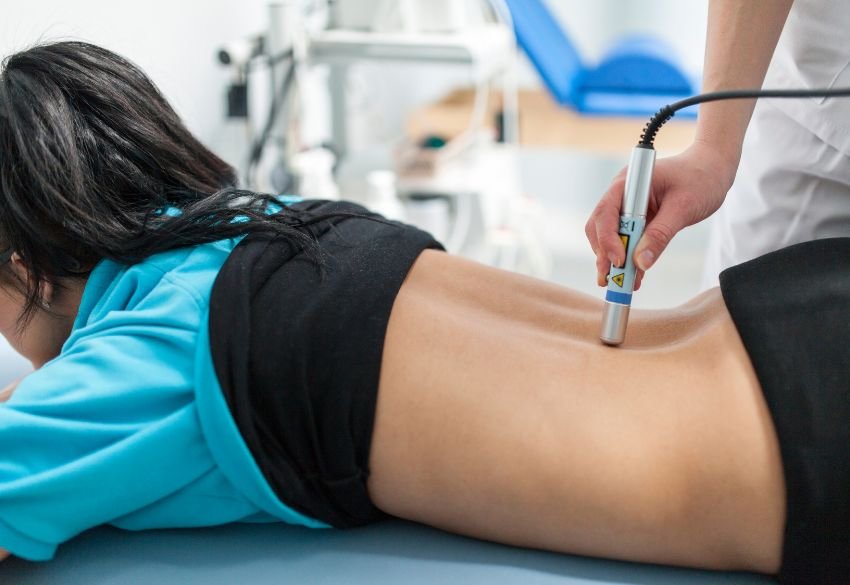
At the core of laser therapy is cellular activation. The light interacts with mitochondria, which are the energy factories inside your cells. This increases the production of adenosine triphosphate (ATP), the main fuel for healing and repair. Think of it as giving injured tissue a stronger platform to heal.
The process creates several positive changes in the body:
More cellular energy: Damaged tissues regenerate faster.
Improved microcirculation: Blood flow increases, carrying nutrients in and removing waste products out.
Pain modulation: The nervous system receives fewer pain signals, and natural endorphins are released.
Inflammation control: Swelling decreases, which improves mobility and reduces stiffness.
What to Expect in a Session
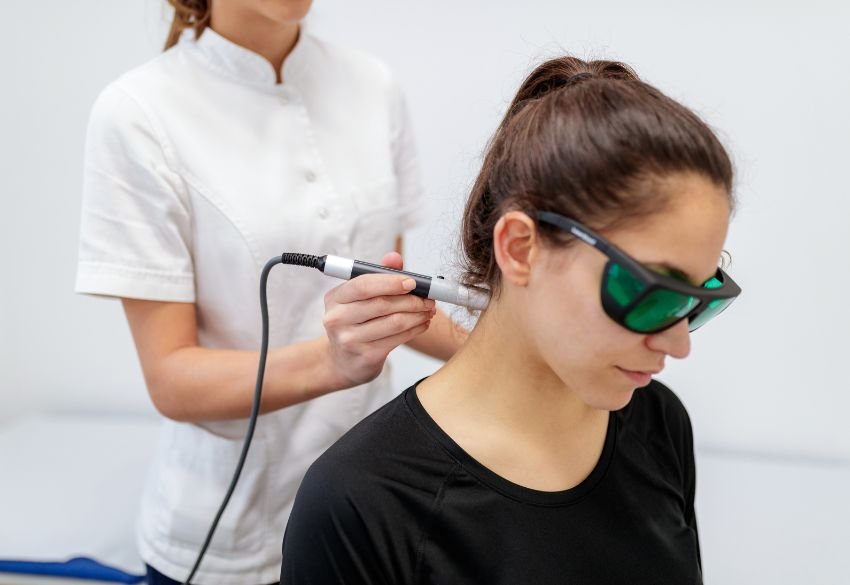
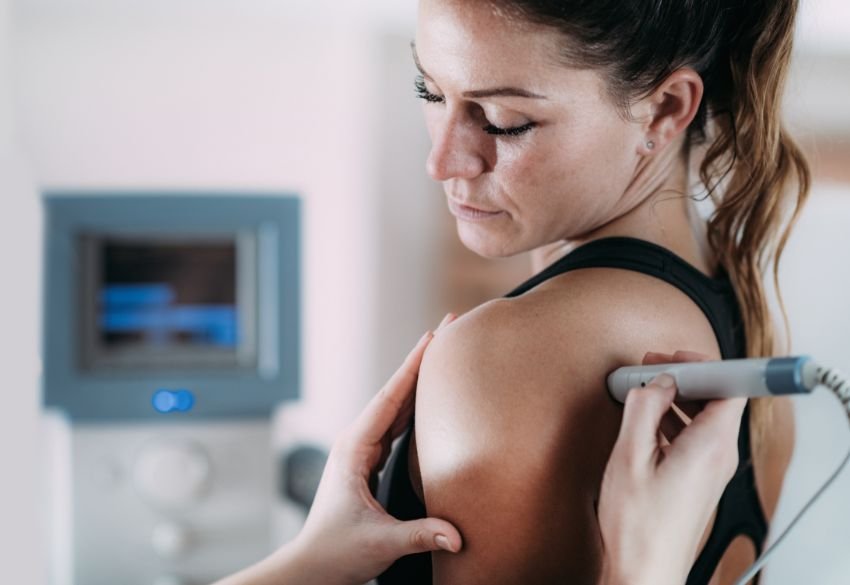
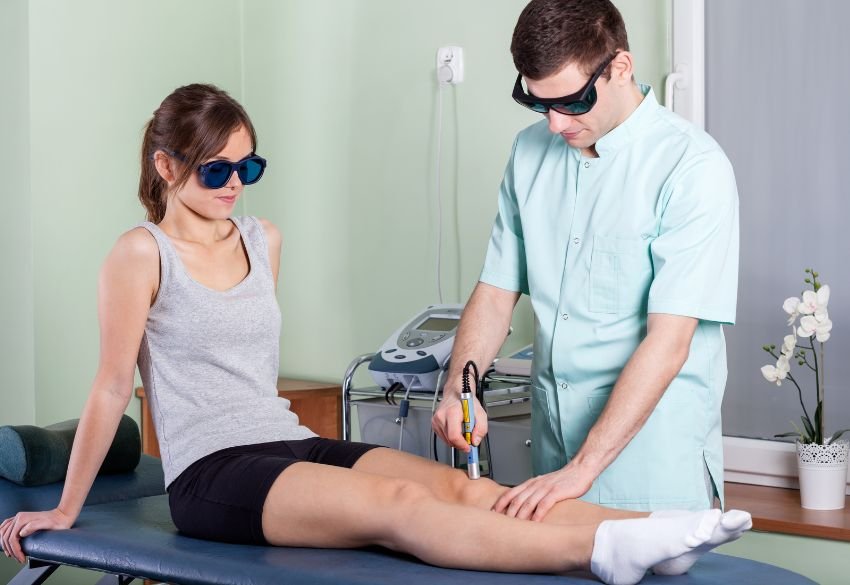
A typical laser therapy session is simple and comfortable. A physiotherapist uses a handheld device over the affected area. You will not feel pain. Some people feel mild warmth, but many feel nothing at all.
Duration: 5 to 15 minutes per session
Frequency: Acute injuries may be treated daily. Chronic conditions often require 2 to 3 sessions per week.
Number of sessions: Varies depending on severity. Some patients see improvements after a few visits, while others benefit from a longer program.
Evidence-Based Benefits
Laser therapy is supported by a growing body of scientific research. Patients and clinicians report consistent improvements in pain, function, and recovery speed.
Key Benefits Backed by Studies
These results highlight why many physiotherapists are integrating laser therapy into treatment plans.
Pain Relief
A systematic review in the Journal of Orthopaedic & Sports Physical Therapy found that LLLT can reduce pain by up to 30 per cent compared to a placebo in patients with chronic musculoskeletal conditions.
Faster soft tissue healing
Research in Lasers in Medical Science showed that patients with soft tissue injuries healed faster and regained function more effectively when laser therapy was combined with standard physiotherapy.
Improved joint mobility
Studies on osteoarthritis and tendonitis demonstrate that LLLT can improve flexibility and reduce stiffness, helping patients return to daily activities sooner.
Reduced medication use
Many patients require fewer painkillers after consistent treatment, lowering the risk of side effects from long-term drug use.
Conditions That Respond Well to Laser Therapy
Laser therapy can support recovery in a wide range of conditions, including:
- Sports injuries such as sprains, strains, and tendonitis
- Post-surgical rehabilitation, especially after joint or ligament procedures
- Osteoarthritis and other degenerative joint conditions
- Chronic back or neck pain
- Plantar fasciitis and foot pain
- Shoulder impingement or rotator cuff injuries
It is not a cure for every condition, but it can make recovery more efficient when combined with targeted physiotherapy.
Why Combine Laser Therapy with Physiotherapy?
Laser therapy is most effective when used as part of a comprehensive plan. At Mickleham Physio, therapists integrate laser treatments with exercise programs, joint mobilisation, and hands-on techniques. This approach ensures that pain relief is paired with long-term improvements in strength and movement.
Combination benefits include:
- Easier participation in exercise when pain is reduced
- Faster gains in range of motion due to reduced stiffness
- More sustainable recovery compared to using the laser alone
Safety and Professional Standards
Laser therapy is considered very safe when performed by trained clinicians. It is:
Non-invasive: No injections, drugs, or surgical procedures are required.
Low risk: Side effects are extremely rare and usually temporary.
Well tolerated: Suitable for people of different ages and fitness levels.
However, it should not be applied near the eyes, over cancerous tissue, or in patients with photosensitivity. A qualified physiotherapist will always screen for contraindications before beginning treatment.
Practical Tips for Patients Considering Laser Therapy
If you are thinking about including laser therapy in your recovery, here are a few practical steps:
Ask about the treatment plan.
Understand how many sessions will be needed, how progress will be tracked, and what outcomes to expect.
Request a combination approach.
Ask how the laser will be integrated with exercise or manual therapy to get the best results.
Keep a progress log.
Note changes in pain, flexibility, and function after each session. This helps you and your physiotherapist make adjustments.
Stay consistent.
Regular attendance is important. Missing sessions may slow progress.
Think beyond short-term relief.
Laser therapy accelerates healing, but lasting results also require strength training, mobility work, and education about injury prevention.
Key Benefits at a Glance
| Benefit | Patient Impact |
| Pain Relief | Shorter recovery times and quicker return to activity |
| Faster Healing | Shorter recovery times and quicker return to activity |
| Improved Mobility | Looser joints and better flexibility |
| Safe and Comfortable | No need for drugs or surgery |
| Works with Physio | Better long-term outcomes when combined with therapy |
Laser therapy is no longer a niche treatment. It is a proven, evidence-based option that helps patients recover from pain and injury faster and more effectively. When integrated into a structured physiotherapy program, it provides not only short-term relief but also long-term improvements in function and resilience.
At Mickleham Physio, our team uses advanced laser therapy devices alongside targeted physiotherapy to help patients regain strength, mobility, and confidence. If you want to recover faster and return to the activities you enjoy, contact us and book a consultation today to learn how our personalised treatment plans can support your healing journey.