Cupping therapy has been popping up more and more in conversations about health and recovery. From professional athletes to regular Australians dealing with sore muscles after a long day, many people wonder if it actually works. The big question is, does cupping therapy really help, or is it mostly just hype?
The short answer is yes, it can help when it’s done properly as part of a physiotherapy plan. If you’ve ever had tight shoulders from sitting at a desk, a sore back from lifting kids or carrying groceries, or stiff muscles after a workout, cupping can make a real difference. Understanding how it works and why it can relieve pain helps you get the most out of each session.
What Is Cupping Therapy?
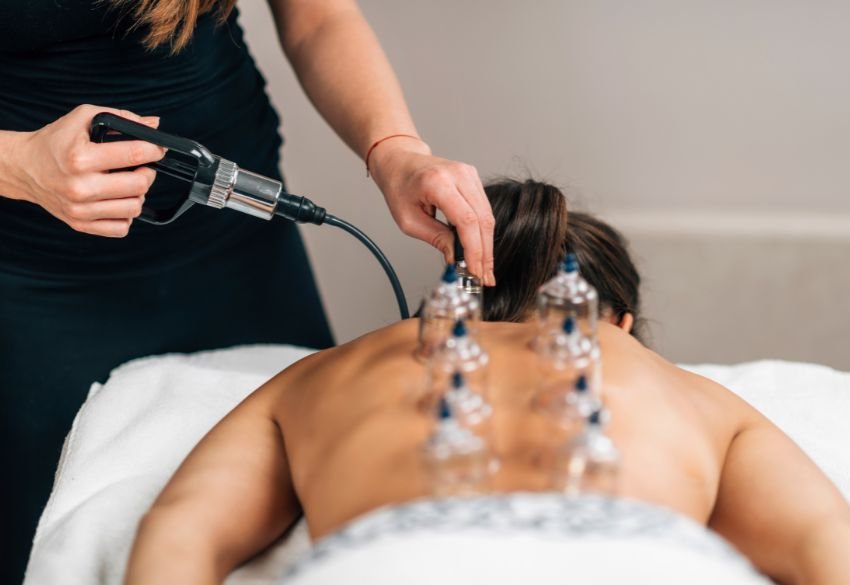
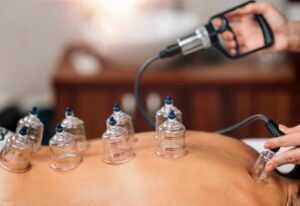
Cupping therapy uses specialised cups placed on your skin to create suction. This gently lifts the soft tissue instead of pushing down like a massage. That suction helps blood flow to the area, eases tension, and can improve movement in tight muscles.
In physiotherapy, dry cupping is most common. Cups are applied to specific areas, and sometimes they stay in one spot or are gently moved across the muscle. Every session is personalised so that it’s safe, effective, and targets the areas where you need it most.
How Cupping Fits Into Physiotherapy
Even though cupping has ancient roots, today it’s used as a tool within a broader physiotherapy programme, not as a standalone treatment. Physiotherapists combine cupping with exercises, manual therapy, and movement retraining to help muscles recover and function better. Think of cupping as a way to prime your muscles and tissues so you can get more out of the other parts of your rehab.
It works on several levels that matter for everyday movement:
1. Improved Circulation
The suction draws blood to the area, which helps with tissue repair and eases tightness. That increased blood flow also gives the muscle a warm, relaxed feeling, making it easier to stretch or strengthen afterwards.
2. Fascia and Muscle Release
Cupping lifts the fascia, the connective tissue around your muscles. When fascia is tight, it can make movement stiff and uncomfortable. Releasing it lets your muscles move more freely and respond better to exercises.
3. Reducing Pain Signals
The gentle stimulation can also affect how your nervous system perceives pain. That means less discomfort during movement, so you can work on exercises without being limited by tight or sore muscles.
What the Research Says
Research on cupping therapy is growing, and the evidence suggests it can be a useful part of pain management. Studies show benefits for conditions like lower back pain, neck and shoulder tension, and post-exercise muscle soreness.
For context, the Australian Institute of Health and Welfare reports that about 3.7 million Australians live with chronic back pain. That’s a lot of people who could benefit from safe, non-invasive treatments. Cupping, when applied by a qualified physiotherapist, is one tool that can make a difference.
Conditions Where Cupping Therapy May Help
Lower Back Pain
Lower back pain is one of the most common reasons Australians seek physiotherapy. Cupping can reduce muscle guarding, improve flexibility, and create the ideal conditions for strengthening exercises.
Neck and Shoulder Tension
Long hours at a desk or prolonged screen use often lead to tight upper back muscles. Cupping can relieve soft tissue restriction, enhance range of motion, and complement posture correction strategies.
Sports Recovery
Athletes frequently use cupping to support post-training recovery. High-profile examples, including elite swimmers at international competitions, have popularised the technique. In physiotherapy, cupping can reduce soreness, improve circulation, and accelerate the return to training.
Tension Headaches
Tightness in the neck and upper back muscles can contribute to frequent tension headaches. Cupping can be targeted to these regions, reducing muscle tension and supporting symptom relief.
What to Expect During a Cupping Session
If it’s your first time, here’s what usually happens:
- Your physiotherapist assesses your muscles and identifies areas of tension.
- Cups are applied to the specific muscles, creating gentle suction.
- The physiotherapist monitors comfort and adjusts the pressure if needed.
- You’ll get guidance on exercises and posture tips to keep the benefits going.
Some circular marks may appear where the cups were placed. They are normal, harmless, and usually fade in a few days. A little soreness or fatigue can happen, but serious side effects are rare when treatment is delivered professionally.
Safety Considerations
Cupping therapy is generally safe under professional supervision. It may not be suitable for individuals with:
- Bleeding disorders
- Certain skin conditions or infections
- Specific medical contraindications
It’s also important to remember that cupping is most effective when it’s part of a complete physiotherapy plan, rather than a quick fix. Combining cupping with exercises, strengthening, and lifestyle changes is what gives long-term results.
Short-Term Relief and Long-Term Results
Cupping therapy often provides short-term pain reduction, but sustainable improvement depends on addressing the underlying causes. Passive treatments alone rarely yield long-term results.
The real benefit of cupping lies in its ability to:
- Prepare muscles for active rehabilitation
- Improve mobility to enhance exercise effectiveness
- Reduce discomfort, allowing consistent participation in physiotherapy programmes.
By combining cupping with corrective exercises, strengthening, and lifestyle modifications, patients are more likely to experience lasting relief.
Does Cupping Therapy Work?
Yes, cupping therapy can work for many people, especially when integrated into a physiotherapy programme. It helps reduce muscle tension, improve movement, and support recovery.
The key is using it as part of a structured plan. Short-term relief is great, but long-term results come from addressing the root causes and staying consistent with your exercises and posture improvements.
Why Mickleham Residents Trust Mickleham Physiotherapy
For those looking for safe, effective, and evidence-based care, Mickleham Physiotherapy is a local authority in cupping therapy. Every session is tailored to your needs, combining cupping with exercises and rehab strategies to help you recover, move better, and feel stronger.
Getting the right treatment is not just about temporary relief. It’s about building resilience and supporting your long-term health. Contact Mickleham Physiotherapy today to see how they can help you move better, recover faster, and get lasting results.