Core strength is a cornerstone of women’s physical health, but its true value lies in function rather than fitness trends. For women, core strength underpins posture, pelvic health, injury prevention and confidence in daily movement. From pregnancy and postnatal recovery to desk-based work and recreational sport, the demands on a woman’s body change over time. Physiotherapy-led core training recognises these changes and provides a safe, evidence-based way to build resilience and long-term function.
Rather than focusing on short-term exercise trends, women’s physiotherapy approaches the core as a clinical foundation for movement. This ensures strength gains translate into daily life, work and physical activity in a way that supports long-term health.
What the Core Really Is and Why It Matters
The core is not just the abdominal muscles. It is a coordinated system that includes the deep abdominals, pelvic floor, diaphragm, glutes and spinal stabilisers. These muscles work together to support the spine, transfer force through the body and protect internal organs during movement.
When this system is weak or poorly coordinated, other structures are forced to compensate. Over time, this can contribute to lower back pain, pelvic floor dysfunction, hip and groyne issues, and reduced tolerance to physical activity. According to the Australian Institute of Health and Welfare, back pain remains one of the leading causes of disease burden for Australian women, reinforcing the value of preventative, strength-based physiotherapy care rather than reactive treatment.
Why Women’s Core Strength Requires Clinical Precision
Women experience physiological and lifestyle factors that directly influence core function. Pregnancy can stretch the abdominal wall and increase load through the pelvis. Hormonal changes may affect joint stability and tissue response to load. Prolonged sitting, caregiving tasks and repetitive work postures further shape how the core performs.
Generic fitness programmes often overlook these influences. Women’s physiotherapy takes a targeted approach by assessing how the core muscles activate, how breathing contributes to stability and how the body moves as a system. This ensures exercises are effective, appropriate and safe for a woman’s current life stage and physical demands.
Indicators That Core Function May Be Compromised
Core dysfunction does not always present as pain. Common indicators assessed in physiotherapy include:
- Reduced tolerance to sitting, standing or walking
- Difficulty controlling movement during bending or lifting
- Recurrent back or hip discomfort during activity
- Early fatigue with exercise
- Poor postural endurance
Identifying these patterns early allows targeted intervention before symptoms escalate. Physiotherapy assessment helps identify the underlying contributors and guides a structured plan to restore function.

The Foundations of Women’s Core Physiotherapy
Effective core rehabilitation always begins with fundamentals. These foundations ensure the correct muscles are contributing to movement, rather than relying on compensatory patterns that increase strain elsewhere.
Breathing and Deep Muscle Activation
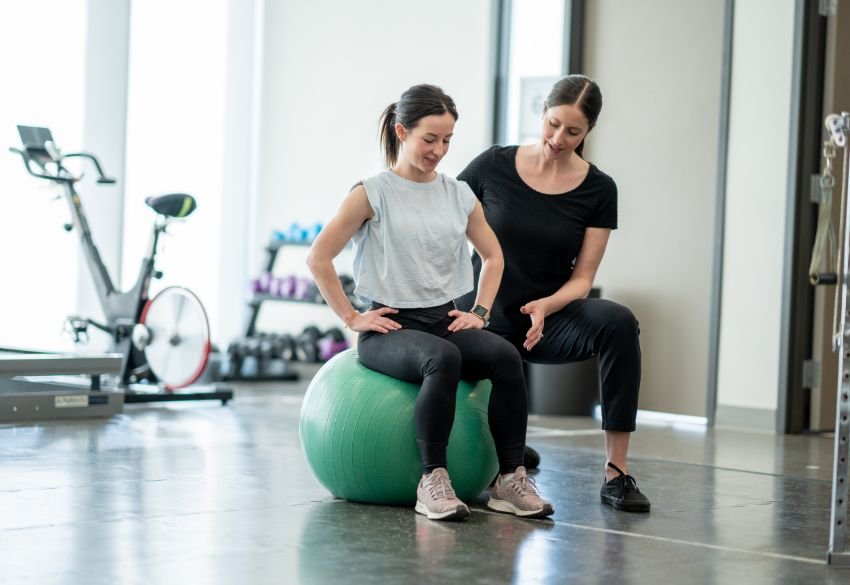
Breathing is central to core control. The diaphragm works in coordination with the pelvic floor and deep abdominal muscles to regulate pressure and stability. Physiotherapy-led breathing retraining improves muscle timing and reduces unnecessary tension through the neck, shoulders and lower back.
Pelvic Floor Integration
Pelvic floor function is essential for women at every age, not only during pregnancy or postnatal recovery. Physiotherapy ensures these muscles are working at the right level for the task, addressing both weakness and excessive tension, which can each contribute to pain or dysfunction.
Postural Awareness
Sustained poor posture places a continuous load on the core system. Physiotherapists assess sitting, standing and movement habits, then provide practical strategies to improve alignment and endurance throughout the day.
Progressive Strength and Functional Control
Once foundational control is established, physiotherapy progresses strength and coordination in a structured way. The aim is not to isolate muscles but to train them to work together during real-life tasks.
Early-Stage Core Exercises
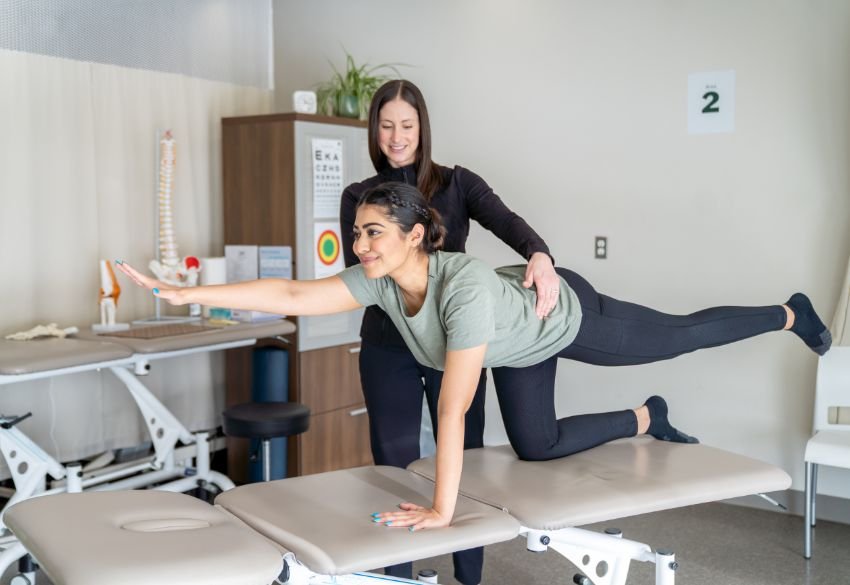
Initial exercises focus on gentle activation and precise control. These may include:
- Supine abdominal bracing combined with breathing
- Pelvic tilts and controlled spinal movement
- Supported glute activation exercises
This phase retrains coordination and prepares the body for increased load.
Advanced and Functional Training
As strength and control improve, exercises become more dynamic and task-specific. These may involve:
- Standing and single-leg stability work
- Controlled rotational movements
- Load-based exercises that reflect daily activities
This stage is particularly important for women returning to sport, running or physically demanding work, ensuring the core can manage real-world demands safely.
Applying Core Strength to Everyday Life
One of the defining benefits of physiotherapy is its emphasis on carryover beyond the clinic. Core strength is integrated into daily movement rather than confined to exercise sessions.
Women are guided on how to lift, carry, sit and move more efficiently, reducing fatigue and strain. This practical application supports confidence and long-term independence.
Posture and Sustained Positions
Physiotherapists provide strategies to reduce postural fatigue during prolonged sitting or standing. This includes education on spinal alignment, movement breaks and subtle activation strategies that support endurance without excessive tension.
Lifting and Load Management
Whether lifting children, household items or work-related loads, efficient core support reduces strain on the spine and hips. Physiotherapy teaches women how to distribute loads safely and confidently.
Physical Activity and Exercise
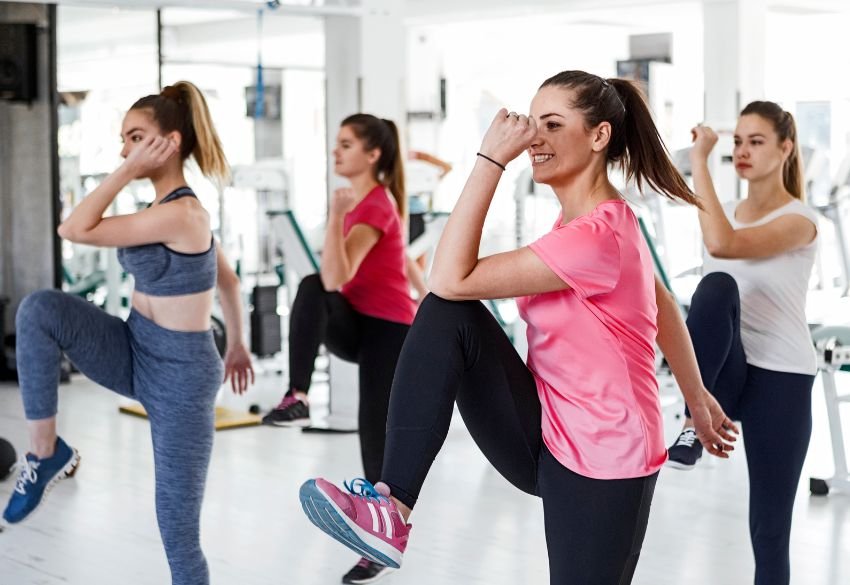
For women who exercise regularly, physiotherapy ensures core training complements other activities. This improves performance while reducing the risk of overload injuries that can occur when stability is insufficient for activity demands.
Core Physiotherapy Across Life Stages
Physiotherapy adapts core training to suit changing needs across life.
- During pregnancy and postnatal recovery, the focus is on restoring control and safely rebuilding strength.
- In midlife, maintaining core capacity supports injury prevention and ongoing activity.
- In later years, core strength contributes to balance, posture and fall prevention.
This adaptability ensures care remains relevant and effective over time.
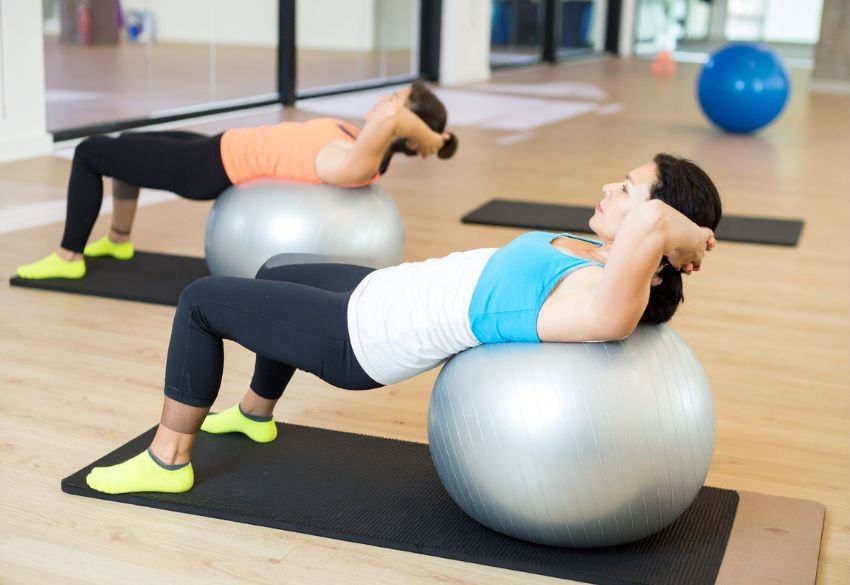
Why Physiotherapy Differs From General Core Training
Generic programmes often emphasise intensity or repetition without considering individual movement patterns. For some women, this approach can exacerbate symptoms or reinforce inefficient strategies.
Physiotherapy prioritises quality, specificity and progression based on assessment findings. This clinical approach leads to safer outcomes and more durable improvements in function.
Long-Term Benefits of Physiotherapy-Led Core Care
Core strength is not a short-term project. When developed through physiotherapy, it becomes a protective mechanism that supports the body across changing demands and life stages. This approach reduces reliance on reactive care and empowers women with the knowledge and capacity to move well long-term.
Choosing the right approach to core strengthening is not only about efficiency, but it is also about building long-term resilience. At Mickleham Physiotherapy, we provide women-focused physiotherapy programmes designed to build functional core strength aligned with everyday demands and long-term health. Contact us today to explore how we can support your movement, strength, and physical wellbeing.