For many people living with pain, recovering from surgery, or managing mobility issues, land-based exercise can feel daunting. Hydrotherapy, also called aquatic therapy, offers a practical alternative by using warm water and guided movement to make rehabilitation more comfortable and effective.
In Australia, physiotherapists often recommend hydrotherapy for arthritis, musculoskeletal injuries, and post-surgical care. The treatment is valued not only for easing symptoms but also for restoring movement, building strength, and supporting long-term wellbeing.
This guide explains what hydrotherapy is, how it works, the conditions it can help, and why it is becoming increasingly popular in physiotherapy programmes across the country.
What Is Hydrotherapy?
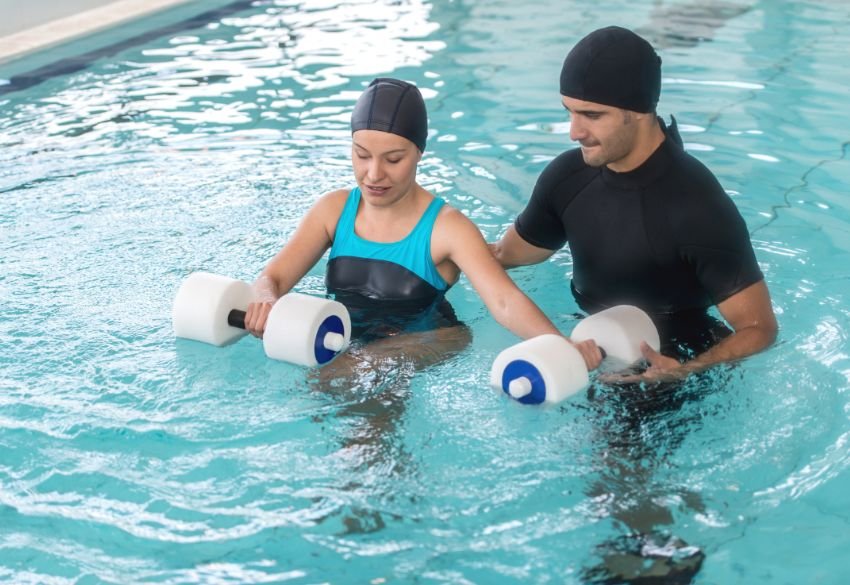
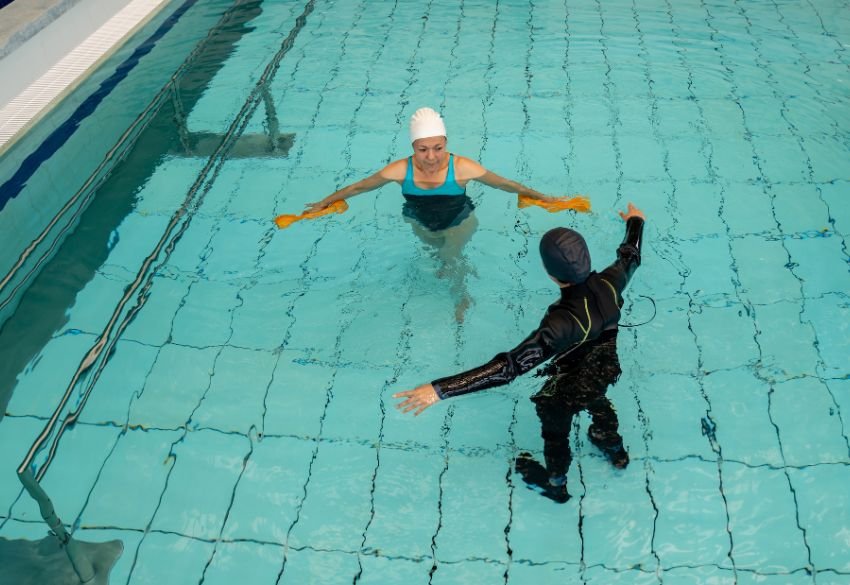
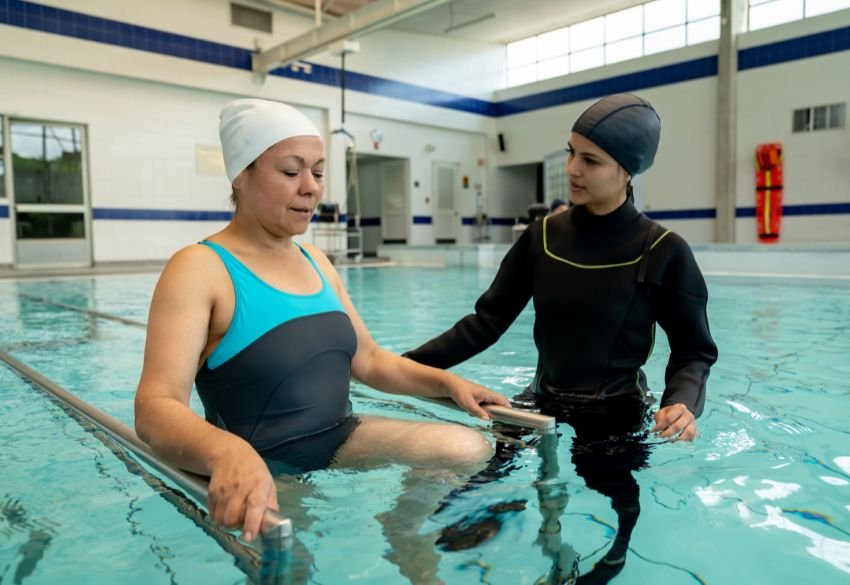
Hydrotherapy involves structured exercises in a heated pool supervised by a physiotherapist. While swimming focuses on cardiovascular fitness, hydrotherapy targets specific areas of the body to aid recovery and reduce discomfort.
Hydrotherapy pools are typically maintained at about 34°C, creating a therapeutic environment that relaxes muscles and eases stiffness. Specialised equipment and safety features allow patients of all abilities to participate with confidence. This controlled setting enables movements that may otherwise be too difficult or painful on land.
How Hydrotherapy Works
The effectiveness of hydrotherapy comes from three unique properties of water.
Buoyancy
Water supports body weight and reduces the impact of gravity. This makes it easier to move stiff or painful joints and helps patients with limited mobility exercise more comfortably.
Resistance
Water naturally resists movement, creating gentle but effective strength training. Resistance levels adjust simply by changing the speed or direction of movement, making exercises safer and more adaptable than traditional gym equipment.
Hydrostatic Pressure
The pressure of water on the body improves circulation, reduces swelling, and provides stability during exercises. This additional support makes balance work safer and less stressful for patients who may be unsteady on land.
Together, these elements allow patients to exercise in a way that encourages recovery while minimising strain on the body.
Conditions Treated with Hydrotherapy
Hydrotherapy is widely used in physiotherapy because it supports recovery across a variety of health concerns:
Musculoskeletal injuries: Sprains, fractures, and sports-related injuries often benefit from early rehabilitation in water, which restores movement without overloading healing tissues.
Post-surgical recovery: Patients who have undergone joint replacements, spinal surgery, or orthopaedic procedures use hydrotherapy to begin safe movement sooner, preventing muscle loss and stiffness.
Chronic pain and arthritis: According to Arthritis Australia, more than 3.6 million Australians live with arthritis. Hydrotherapy provides a low-impact way to reduce pain and maintain function.
Neurological conditions: People with conditions such as multiple sclerosis, Parkinson’s disease, or stroke find hydrotherapy helpful for improving balance and movement confidence.
Back and neck pain: The combination of warmth and buoyancy eases muscle tension and improves spinal flexibility.
General well-being: Beyond injury recovery, many patients use hydrotherapy as a gentle way to stay active, relieve stress, and improve overall quality of life.
Key Benefits of Hydrotherapy
Patients often choose hydrotherapy because it offers distinct advantages compared with traditional land-based rehabilitation.
Main benefits include:
- Pain relief: Warm water relaxes muscles and reduces joint pressure.
- Improved mobility: Buoyancy allows a greater range of motion with less pain.
- Faster recovery: Early movement in water prevents muscle wasting and scar tissue build-up.
- Strength development: Water resistance builds muscle safely and gradually.
- Better circulation: Hydrostatic pressure promotes blood flow and reduces swelling.
- Relaxation and mental well-being: The warm, calming environment reduces stress and enhances mood.
What Research Says About Hydrotherapy
Hydrotherapy is supported by a strong body of scientific research, with studies showing clear benefits for pain relief, mobility, and functional recovery.
Osteoarthritis benefits: A randomised controlled trial in Clinical Rehabilitation found that older women with knee osteoarthritis experienced significant improvements in pain, function, and muscle strength after a structured hydrotherapy programme.
Pain and mobility improvements: A 2022 meta-analysis in the Journal of Orthopaedic Surgery and Research reported that aquatic therapy significantly improved pain, walking ability, and strength in patients with knee osteoarthritis compared to standard physiotherapy.
Neurological applications: The Australian Physiotherapy Association notes that aquatic physiotherapy helps people with neurological conditions such as Parkinson’s disease by improving balance, mobility, and reducing the risk of falls.
General musculoskeletal recovery: Systematic reviews show that hydrotherapy delivers moderate benefits across multiple domains, including pain reduction, strength, and daily function, particularly for people with chronic musculoskeletal conditions.
Practical Considerations for Patients
Arthritis is one of the most common chronic health conditions in the country, which makes hydrotherapy especially relevant. The Australian Bureau of Statistics reports that almost 3.7 million Australians, or around 15 per cent of the population, were living with arthritis in 2022.
With such high prevalence, safe and effective therapies like hydrotherapy play a critical role in helping Australians manage symptoms, stay active, and maintain independence. Patients interested in hydrotherapy should keep the following in mind:
Accessibility
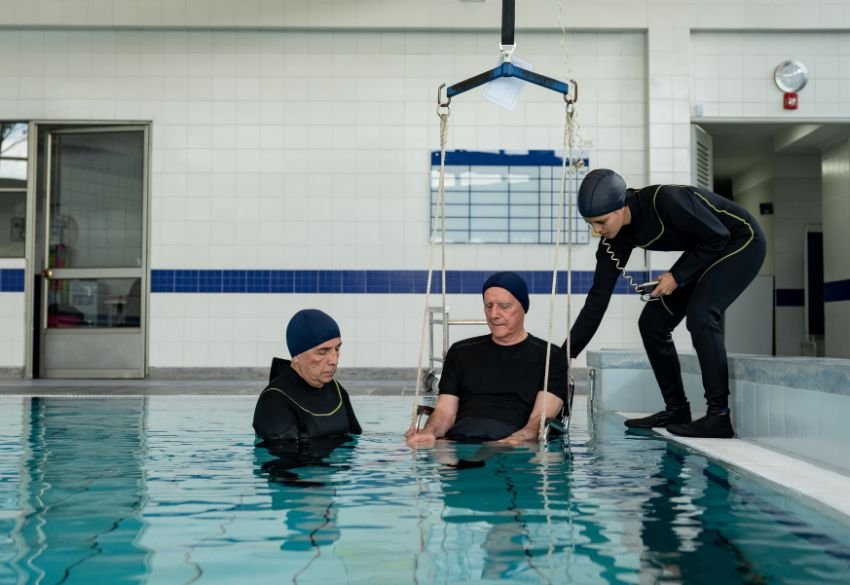
Purpose-built hydrotherapy pools are designed for safety, with steps, rails, and hoists where required. Physiotherapists ensure that entry and exit are manageable for every patient.
Individual Programs
Hydrotherapy is never one-size-fits-all. A physiotherapist will assess your condition and design a programme that matches your goals, whether that is regaining strength, walking with less pain, or maintaining independence.
Frequency of Sessions
The number of sessions depends on the condition being treated. Some patients benefit from weekly sessions, while others recovering from surgery may need more frequent appointments.
Safety
Hydrotherapy is safe for most people. However, those with open wounds, infections, or certain medical conditions such as uncontrolled heart disease may need clearance from a health professional before beginning treatment.
Why Hydrotherapy Is Growing in Australia
The rise of hydrotherapy in Australia reflects a growing demand for therapies that are effective, safe, and holistic. Patients appreciate its gentle yet powerful impact on recovery, particularly those with arthritis and chronic pain who require sustainable, long-term management options.
The therapy also aligns with healthcare’s increasing focus on prevention and overall well-being. By supporting both physical recovery and mental health, hydrotherapy is becoming a preferred choice for many Australians seeking comprehensive care.
Looking Ahead
Hydrotherapy is a proven therapy that combines the supportive properties of water with evidence-based physiotherapy practices. It reduces pain, improves mobility, and promotes overall well-being, making it valuable for patients recovering from injury, living with chronic conditions, or simply wanting to stay active in a safe way.
At Mickleham Physiotherapy, we provide tailored hydrotherapy programmes designed to meet the unique needs of each patient. Whether you are recovering from surgery, managing arthritis, or aiming to improve mobility, our experienced team can help. Contact us today to book your hydrotherapy consultation and take the next step towards better health.